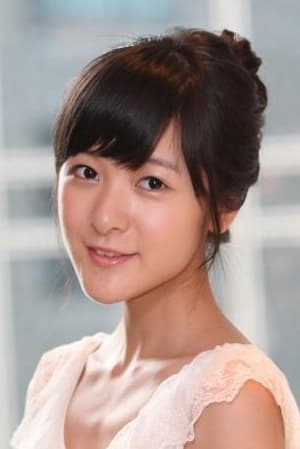
Xu Jiao (徐娇)
⚡ One-Click Stalking (Explore in Chinese)
Biography
Part 1: The Meaning of the Name “Xu Jiao” (徐娇)
The Surname: 徐 (Xú). This is a single-character surname, not a compound one. As an ordinary Chinese character, “徐” primarily means “slowly, gently, with ease” and by extension “calm, steady, unhurried.” It evokes a sense of stability, gradual progress, and a peaceful demeanor—qualities reflected in classical phrases such as “清风徐来” (a gentle breeze arrives slowly) from Su Shi's Former Ode on the Red Cliff.
The Given Name Character: 娇 (Jiāo). “娇” is a single character with a rich semantic field. Its core meanings cluster around delicate beauty, loveliness, and a tender, charming quality. The Shuowen Jiezi glosses it as “态也” (manner, posture), while the Zengyun describes it as “妖娆也” (enchantingly graceful). In personal names, it signifies “graceful, lovely, adorable, and precious”—a wish for the child to possess a refined and endearing presence. It can also carry connotations of “fragile” or “soft,” and by extension “to cherish or dote upon.”
The Full Name as an Ordinary Phrase. Taken together, 徐娇 does not form a fixed classical idiom, but the two characters create a harmonious complementary image. “徐” contributes a sense of gentle, unhurried grace, while “娇” adds delicate charm and loveliness. The combined impression is that of a person who moves through the world with a quiet, unforced elegance—graceful without haste, lovely without artifice. It is a name that projects softness and refinement rather than assertive force.
The Origin of the “Stage Name” / 艺名. Available sources consistently identify 徐娇 as her original birth name (本名) , not a professional alias adopted for the entertainment industry. Her English name, Josie Xu, is a transliteration and adaptation rather than a separate stage identity. There is therefore no separate “典故” (allusion or backstory) behind “徐娇” as a theatrical invention; its significance lies in the familial naming choice described above—a name given for its associations with gentle grace and delicate beauty.
Part 2: Actor Profile The Hook: Why She Is Known
Xu Jiao is the archetypal “high-ceiling child star” of Chinese entertainment—an actress whose fame was sealed at nine years old and whose subsequent career has been defined by the tension between that extraordinary beginning and the difficulty of sustaining it. Discovered by Stephen Chow in 2006 and cast in a gender-bending role as his son in the sci-fi comedy CJ7, she became a household name overnight and won the Hong Kong Film Award for Best New Performer at an age when most actors are still learning to read scripts. What keeps her recognizable decades later is not a steady stream of blockbusters but the enduring curiosity of an audience that grew up alongside her—and a public persona that has increasingly extended beyond acting into Hanfu entrepreneurship and social commentary.
Breakthrough Role
Xu’s breakthrough was Zhou Xiaodi (Dickie) in CJ7 (Chang Jiang 7 Hao, 2008). Stephen Chow personally selected her from an audition, casting the then-nine-year-old girl in the role of his mischievous son, a decision that required her to convincingly embody a boy’s physicality and irreverent energy. The film was a major commercial and critical success, and Xu’s performance earned her the 28th Hong Kong Film Awards Best New Performer, the 1st Quality Chinese Film Awards Best Newcomer, and a nomination at the 3rd Asian Film Awards. The role made her one of the most celebrated child actors of her generation and established a “Stephen Chow protégée” label that would follow her for years.
Public Perception
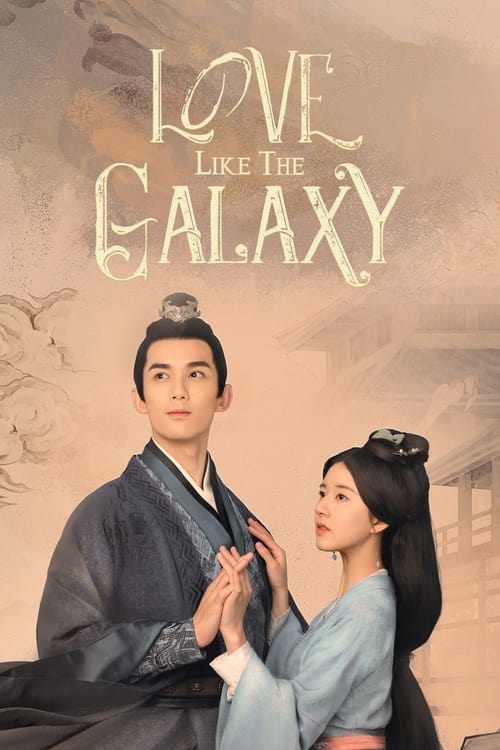
Today, Xu Jiao occupies a complex and somewhat bittersweet position in the Chinese entertainment ecosystem. She is widely respected for her natural acting ability and for a filmography that includes not only CJ7 but also the acclaimed youth film Starry Starry Night (星空, 2011), the Korean-Chinese co-production Mr. Go (大明猩, 2013), and the hit drama Love Like the Galaxy (星汉灿烂, 2022), where her portrayal of the gentle, principled Cheng Yang won over book and drama fans alike. Yet she is routinely described in public discourse as a “high-start, low-sustain” case: a performer whose extraordinary early promise has not been matched by the continuous access to top-tier resources that typically fuels lasting stardom. One widely circulated ranking of “least visible post-95s actresses” placed her second, noting that her “child-star starting point was high and her acting is good, but she has lacked quality resources to sustain momentum in adulthood”.
Her public image is further complicated by her activities outside acting. She founded the Hanfu brand “Zhiyuji” (织羽集) in 2016, which achieved significant early success—monthly revenue in the millions and an invitation to showcase at the first China-Italy Cultural Year in 2018—but later faced commercial challenges and a 2025 controversy over a 1,850-yuan horse-face skirt whose material labeling was questioned. She has also drawn attention for socially engaged interventions, including publicly supporting body freedom after a swimsuit photo controversy in 2023 and confronting a person smoking indoors in 2024, actions that earned both praise and polarized debate. The overall perception is of someone who has refused to remain confined to the “former child star” narrative—still acting, still visible on her own terms, and still provoking conversation about what a career after an extraordinary debut can look like.