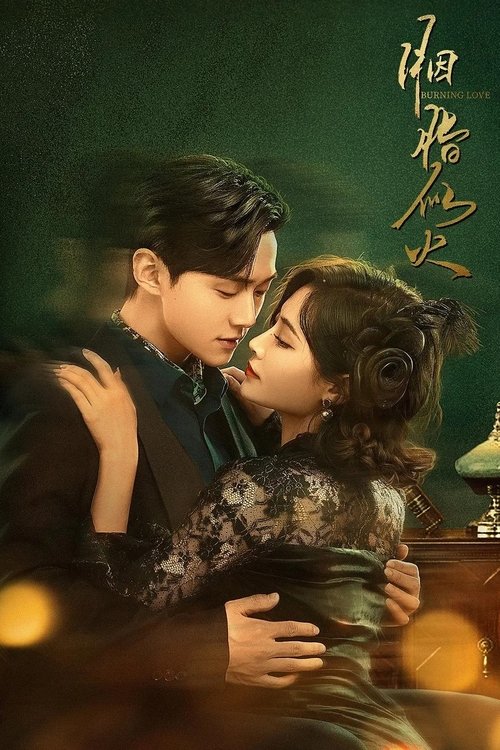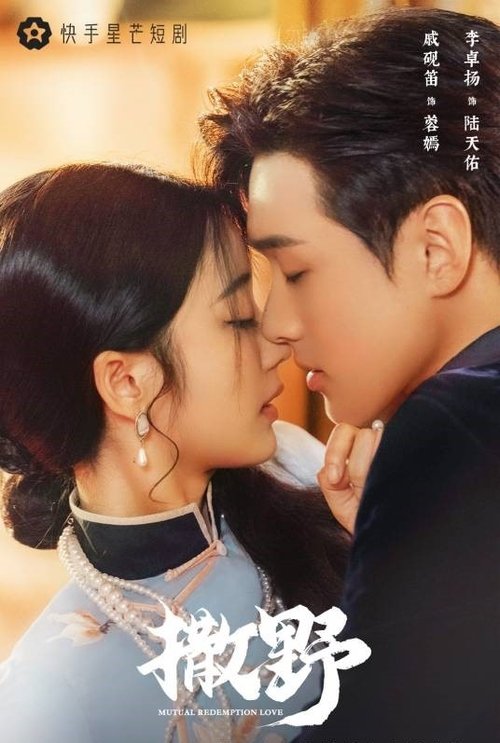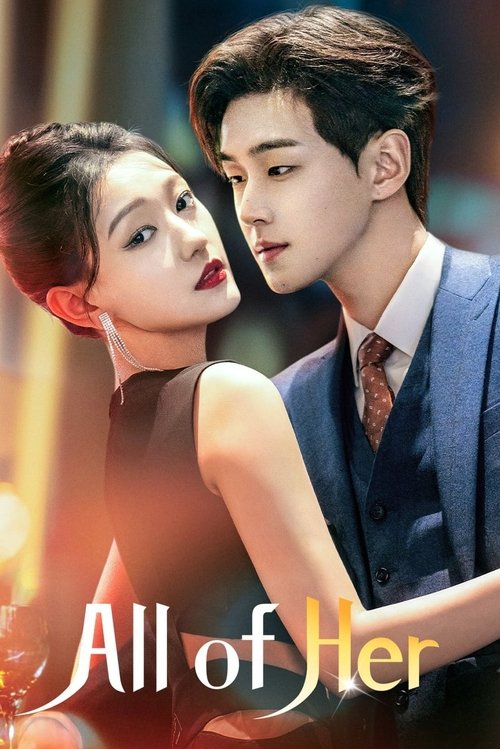
Li Zhuoyang (李卓扬)
⚡ One-Click Stalking (Explore in Chinese)
Biography
Here is an analysis of the stage name Li Zhuoyang (李卓扬) , broken down into the three sections you requested, with explanations in English.
Part 1: Meaning of Each Individual Chinese Character 李 (Lǐ) – This is the actor’s family name, one of the most common Chinese surnames. Its original meaning refers to the plum tree or plum fruit, a deciduous tree that blossoms in spring and bears yellow or purplish-red fruit.
卓 (Zhuó) – This character means eminent, outstanding, lofty, or surpassing. It is used to describe someone of exceptional ability or noble character, rising above the ordinary.
扬 (Yáng) – The original meaning of 扬 is to fly up, to soar, or to rise. By extension, it also signifies to spread, to propagate, or to praise. In a name, it conveys aspirations of upward momentum and widespread renown.
Part 2: Meaning of “Zhuoyang” as an Ordinary Compound Word As a standalone compound, Zhuoyang (卓扬) is not a common dictionary word in everyday Chinese. However, its two constituent characters combine to form a strong aspirational phrase: "outstanding and soaring" or "eminently rising." It evokes the image of someone who is exceptionally talented (卓) and whose fame or influence spreads far and wide (扬).
This compound is reinforced by classical Chinese idioms (成语) that contain these characters. For instance, 卓立鸡群 (zhuó lì jī qún) means "standing out like a crane among chickens," describing someone whose talent or bearing is conspicuously superior to those around them. 显亲扬名 (xiǎn qīn yáng míng) means "to bring glory to one's parents and make one's name known," reflecting the traditional value of achieving fame to honor one's family. Another relevant idiom is 卓尔不群 (zhuó ěr bù qún), meaning "preeminent and uncommon," describing a person of extraordinary talent and virtue. Taken together, Zhuoyang carries connotations of exceptional excellence that naturally leads to distinction and widespread recognition.
Part 3: Origin and Allusion of the Actor’s Stage Name Li Zhuoyang (李卓扬) is a stage name; the actor’s birth name is Li Zhuoyang written as 李卓阳 (with the character 阳 instead of 扬). The change from 阳 to 扬 is the key to understanding the stage name.
阳 (Yáng) , the original character, means sun, sunlight, or positive/masculine energy. It is a common character in Chinese names, often associated with brightness and vitality.
扬 (Yáng) , the adopted character, shifts the emphasis from passive brightness to active soaring, rising, and spreading one’s name.
While there is no publicly documented "allusion" or specific story explaining the exact moment or reason for the change, the choice is highly symbolic within the context of a performing arts career. 扬 carries the explicit meaning of making one’s name known and rising to prominence—qualities that are directly relevant to an actor seeking recognition. The idiom 显亲扬名 (to make one's name known and bring honor to one's family) and 发扬蹈厉 (to be vigorous and full of spirited energy) both resonate with the aspirations of a young performer. By changing 阳 to 扬, the stage name transforms a name of simple brightness into one that actively signals ambition, upward momentum, and the desire to achieve widespread acclaim—a fitting choice for an actor building a public career.
Li Zhuoyang has risen to prominence as one of the most recognizable faces in China’s micro-drama industry by mastering a very specific alchemy: the “clean-cut, slightly aloof” leading man. Standing with the posture of a trained dancer and possessing a single-eyelid sharpness that fans describe as “cold on the surface, tender underneath”, he became the go-to actor for the modern CEO and ancient-costume power-broker archetypes. His path was not an overnight explosion but a steady climb—from background roles in Zhang Yimou’s Shadow and the blockbuster The Battle at Lake Changjin to leading parts in dozens of short-form dramas. What finally pushed him into the top tier of micro-drama popularity was his performance in the costume drama Sniffing Green Plums (Xiu Qing Mei), where his on-screen chemistry with co-star Zhang Jinyi generated a wave of viral edits and pushed him onto the industry’s hot lists.
Breakthrough Role
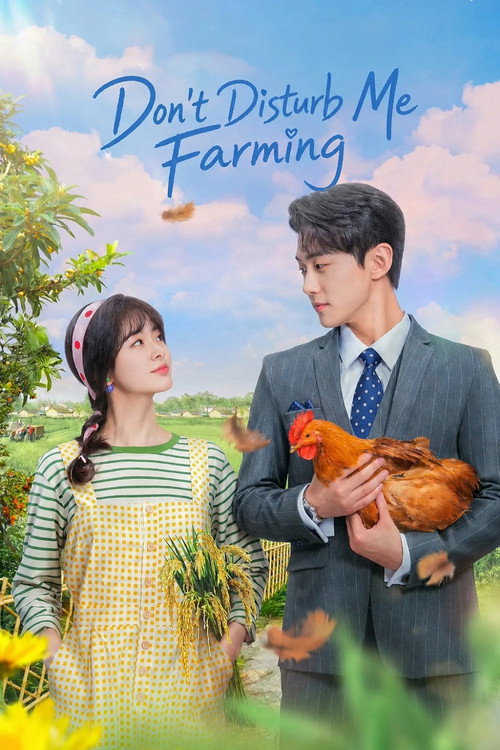
While Li had been steadily building a following through hits like Don’t Disturb My Farming (Bie Da Rao Wo Zhong Tian) and Coming Against the Light (Xiang Ta Ni Guang Er Lai), his true breakout came with Sniffing Green Plums. The costume drama, in which he played opposite Zhang Jinyi, became the project that introduced him to a much wider audience. The show’s “atmospheric tension” between the leads was clipped and shared endlessly across short-video platforms, and a fan-requested behind-the-scenes dance video surpassed 100 million views, directly propelling him onto the micro-drama popularity rankings. The role showcased his ability to weaponize restraint—conveying longing and authority through posture, gaze, and the smallest shifts in expression—and it remains the work most closely associated with his name.
Public Perception
Li Zhuoyang occupies a stable and well-liked position within the micro-drama ecosystem, consistently ranking among the industry’s top ten male actors on the Star List, with a heat index that places him in the competitive upper tier. Off-screen, he has cultivated a reputation for being low-key, warm, and grounded—fans who have met him at events describe him as patient and candid, and he rarely generates gossip or scandal. Within the industry, his Central Academy of Drama training and background in stage work are acknowledged, though some critics argue that his performances can be uneven and that he has been somewhat boxed in by the repetitive “CEO” template. He has begun actively working to break that mold, departing his old agency for a company focused on network films and taking on a grittier role as a fringe police officer, complete with a buzz cut and unpolished training videos that earned surprising traction. For audiences, he is neither an overhyped phenomenon nor a forgotten face—he is a reliable, steadily improving presence whose next chapter is still being written.